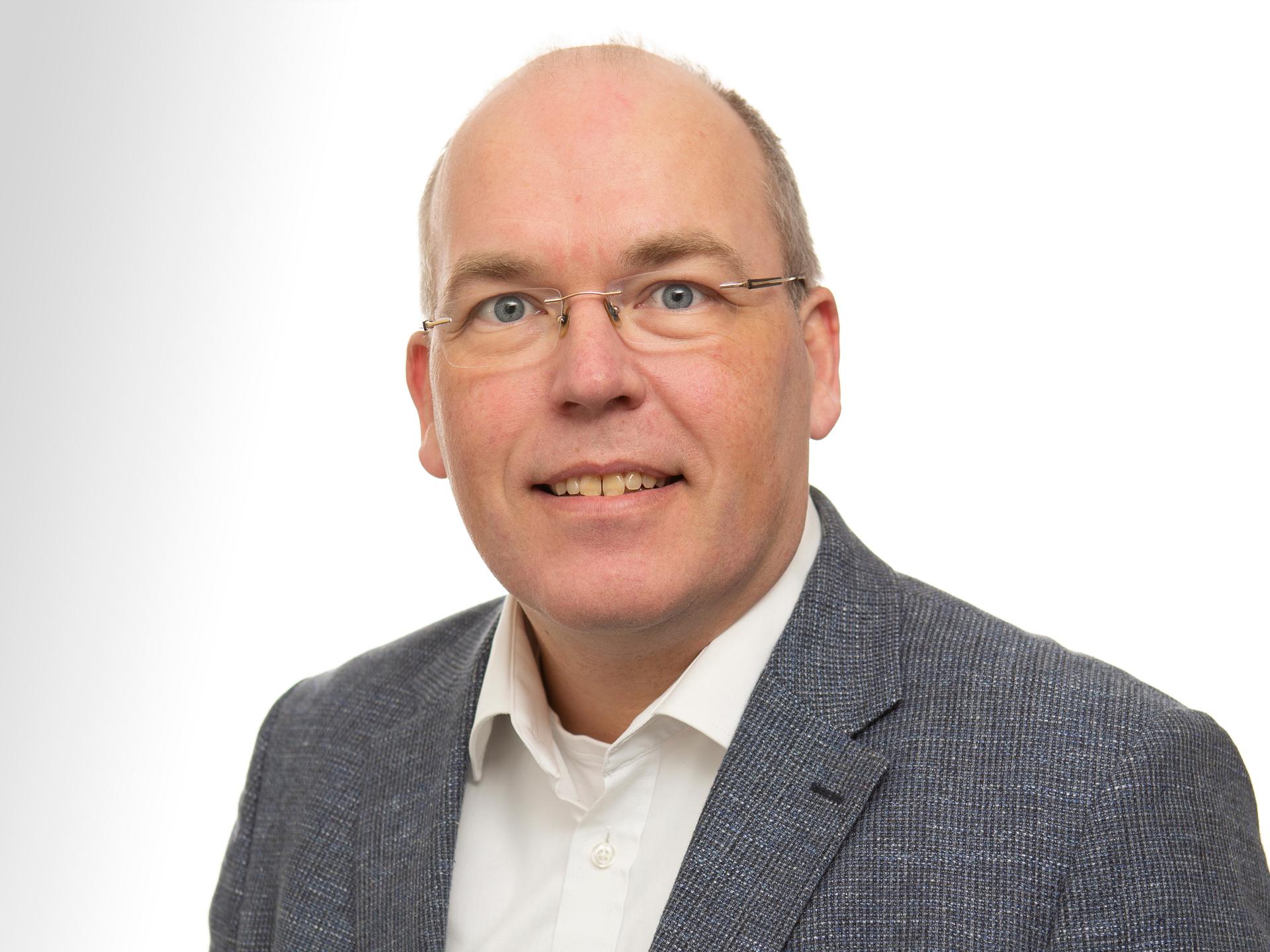
- I took part in the investigation and found many examples of institutions with well-functioning departments, but also examples of departments characterized by what were considered even at the time to be failures, abuses and erroneous placements. Often these can be explained by a lack of supervision, overcrowding and understaffing. Whether an apology should be given based on this is purely a political decision. But there is no doubt that this is an acknowledgement and makes a difference to those previously placed in such institutions, Poul Duedahl says.
The apology to those previously placed in care will be given by the Minister for Social Affairs and Housing, Pernille Rosenkrantz-Theil, at an event at Hotel Bygholm Park in Horsens.
- Those previously placed in special and mental health care have waited a long time for an apology which I am pleased to finally be able to offer on behalf of the government. These are fates and stories that have touched me deeply, and it is important that we listen to and learn from them. Therefore, the only right thing is to also give an apology from the state to the people who, in state custody, were subjected to horrible abuses that were also illegal at the time, says Pernille Rosenkrantz-Theil in a press release from the Ministry of Social Affairs, Housing and Senior Citizens.
What has made the biggest impression on you during your research on the history of mental health care?
- The big difference there often is between the official narrative about the institutions – that for many years was referred to in the media as progress in humanity – and by the employees who referred this to as a wonderful time in their working lives versus the reality of those placed in these institutions. The reality is, for example, that during its lifetime, Livø was the subject of over 400 escape attempts and 10 escape-related deaths, says Poul Duedahl.
Made TV series with Poul Nyrup Rasmussen
Poul Duedahl authored the book Billeder fra en anden verden: De Kellerske Anstalters historie [Pictures from Another World: The History of the Kellers Institutions], and recently released the highly acclaimed book, Afvigernes ø [Island of Deviants], about Livø, that he wrote in collaboration with Vesthimmerland Museum curator, Maria Clement Hagstrup, with a postscript by former Prime Minister Poul Nyrup Rasmussen.
All three are also part of a documentary series on DR where they follow the path of Poul Nyrup Rasmussen's father, who in his youth was placed on Livø for seven years – branded as morally deficient. The series is called Nyrup – søn af en udstødt [Nyrup – Son of an Outcast] and can be seen on dr.dk.
The event with the apology to those previously placed under the Special and Mental Health Service will be live-streamed from the ministry's website. See it here.